

Flat vs Sloping Blocks Explained: A Guide for NSW & ACT Home Builders
When it comes to building a new home, the shape and slope of your land plays a major role in the design, build process and overall experience.
One of the first questions many buyers ask is: Should I choose a flat block or a sloping block?
While both options have their advantages, flat blocks remain the most common and popular choice across NSW and the ACT - particularly for families and first home buyers.
What Is a Flat Block?
A flat block is land with minimal slope, meaning there’s little variation in ground level across the site. This makes it ideal for standard home designs and straightforward construction.
Most new estates across NSW and ACT are intentionally developed with flat or gently graded blocks to make building easier and more accessible for buyers.
Why Flat Blocks Are Easier to Build On
One of the biggest advantages of a flat block is simplicity - both in planning and construction.
Easier Site Preparation
Flat blocks typically require:
- Less excavation
- Minimal earthworks
- Fewer retaining walls
This helps streamline the early stages of your build and can reduce unexpected site challenges.

A Simpler Construction Process
With a level foundation, builders can follow a more straightforward construction sequence. This often leads to:
- More predictable timelines
- Fewer engineering complexities
- Reduced construction risk
For many homeowners, this means greater peace of mind throughout the build.
Greater Design Flexibility
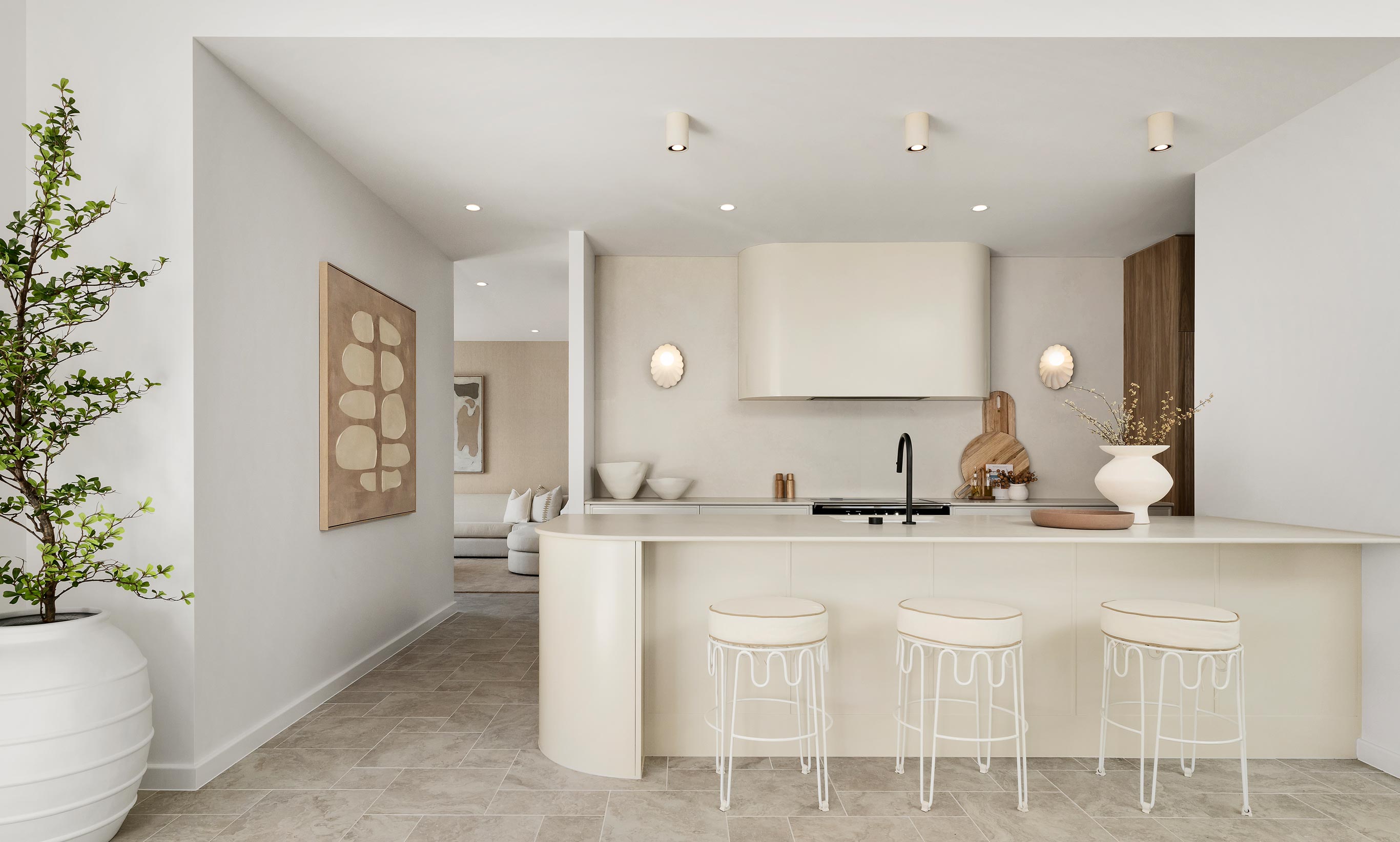
Flat blocks are compatible with a wide range of home designs, including many of McDonald Jones Homes’ most popular single-storey and double-storey layouts.
Benefits include:
- Easier floorplan customisation
- Flexible room layouts
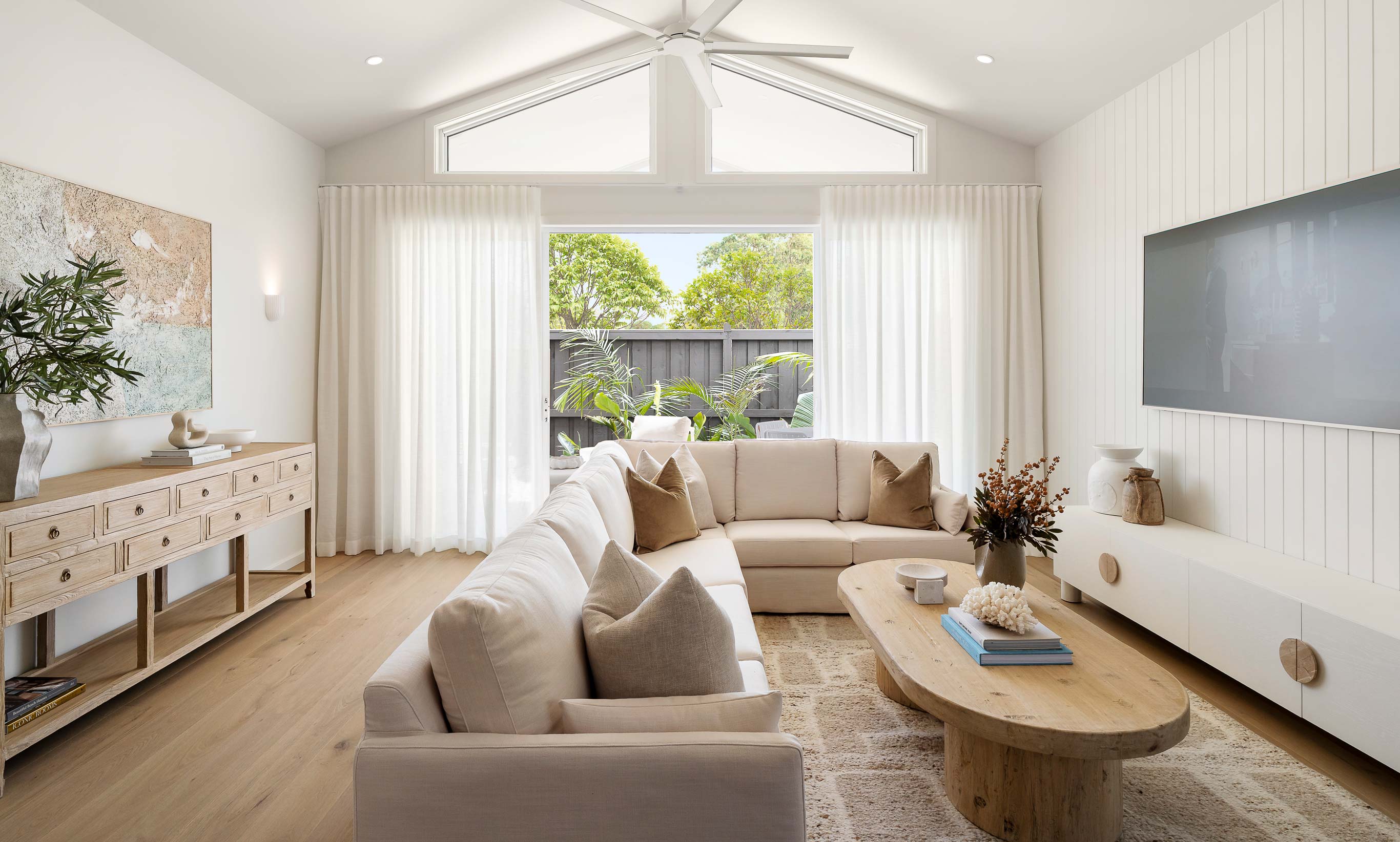
- Seamless indoor–outdoor flow
- Simple alfresco and backyard integration
This flexibility makes flat blocks especially appealing for families who want practical, functional living spaces.
Often More Cost-Effective
Because flat blocks generally require less site work and specialised engineering, they are often more cost-effective overall.
While every block is different, flat sites can help minimise:
- Additional construction costs
- Structural requirements
- Unplanned variations
This can be particularly beneficial for first home buyers working within a set budget.
Understanding a Sloping Block
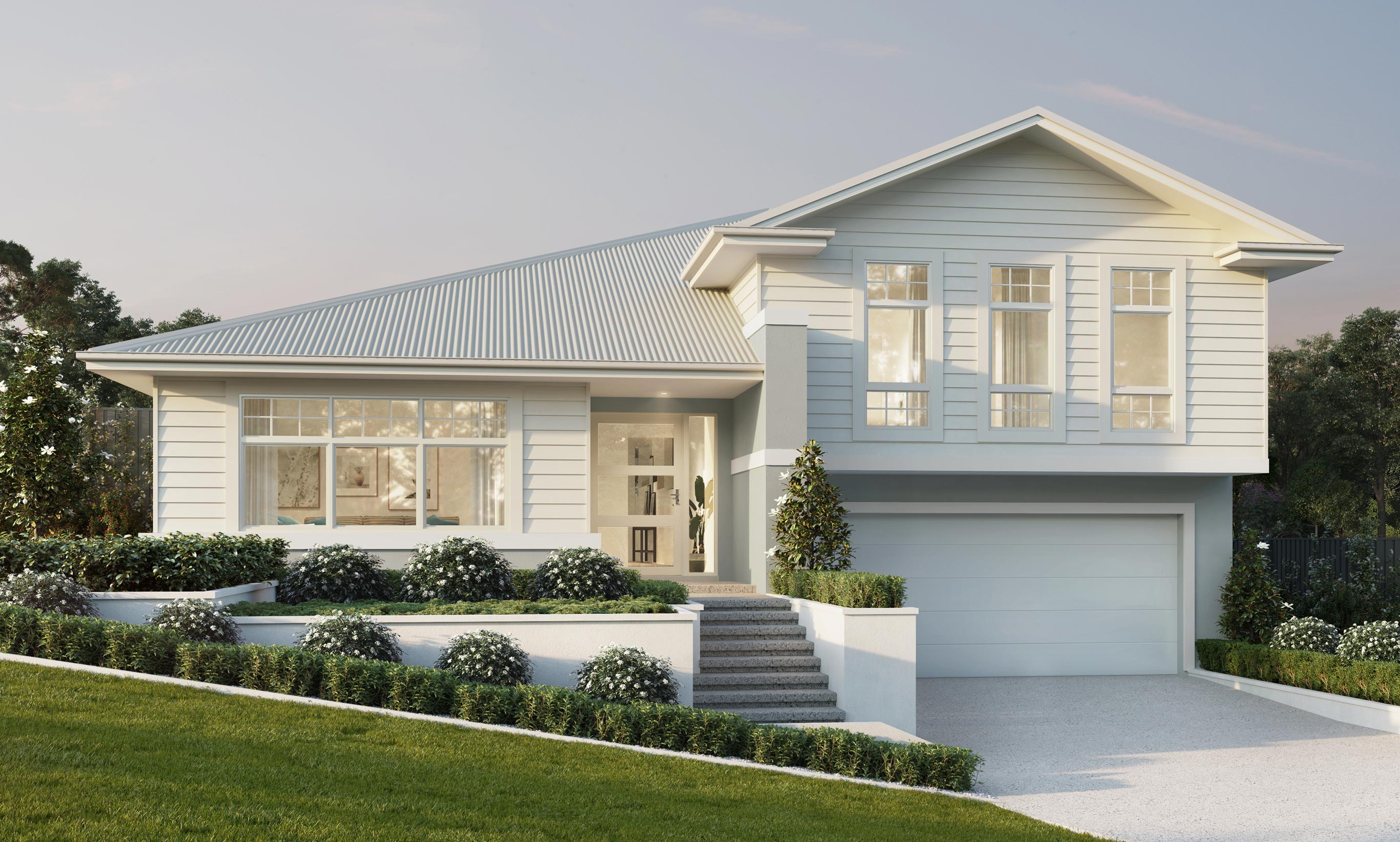
A sloping block, by definition, is a parcel of land that doesn't lie flat but instead has noticeable variations in its elevation. This could manifest as an upward incline, a descent or a combination of undulating surfaces. While such terrains might initially seem challenging for construction, with the right architectural approach they can be transformed into stunning residential masterpieces.
A well-designed property on a sloping block adapts to and leverages the unique topography to enhance aesthetic appeal and functionality. The natural gradients lend themselves well to multi-level homes, offering panoramic views and distinct living spaces.
Moreover, sloping terrains often provide the opportunity for innovative design elements like walkout basements, terraced gardens and elevated decks. In real estate, some of the most captivating and sought-after properties are nestled on sloping landscapes.
Building a home is an exhilarating journey, more so if it's your maiden venture. Investing in a sloping block comes with several benefits, including:
- Sound Investment: Homes built on sloping blocks often generate a more significant appreciation in their value over time. The uniqueness and desirability of split-level homes can potentially increase their resale value.
- Natural Beauty: These blocks are typically located in scenic locales, be it coastal regions or amidst native Australian vegetation.
- Natural Lighting: The unique elevation allows for enhanced natural lighting.
- Ventilation: The slope promotes natural airflow, ensuring the property remains well-ventilated.
Potential Challenges of Building on a Sloping Block
Every coin has two sides. While there are numerous advantages, there are potential challenges to consider.
- Construction and Structure: The overall construction of your home can be a challenge, given the uneven terrain.
- Landscaping: Significant landscaping elements and retaining walls might be necessary.
- Extra Excavation & Piering: Depending on the severity of the slope, additional excavation might be required.
- Access: Ensuring easy access to the property can be tricky.
- Ground Condition and Soil Type: Ground condition and soil type can influence the construction approach.
- Ecological Considerations: Water drainage, maintenance of native plants and ecological protection become paramount.
- Local Planning Laws: Adhering to local planning and construction laws is crucial.
- Cost Implications: While sloping blocks might initially be more affordable, construction may entail additional costs.
With the right design and expert guidance, sloping blocks can still deliver stunning results - they simply involve a more tailored approach.
Choosing the Right Block for Your Build
Ultimately, the best block for you depends on your lifestyle, budget and design goals. Flat blocks remain a popular choice across NSW and ACT because they offer a smooth starting point for building - both literally and figuratively.
At McDonald Jones Homes, our team has experience designing and building on both flat and sloping sites, and we’re here to guide you through every step of the journey.
If you’re unsure what your block means for your future home, we’re always happy to help you explore your options.